
(Escaping) The Barber of Seville
A tale of blood oranges and squid ink
Sun, sand, fire and blood
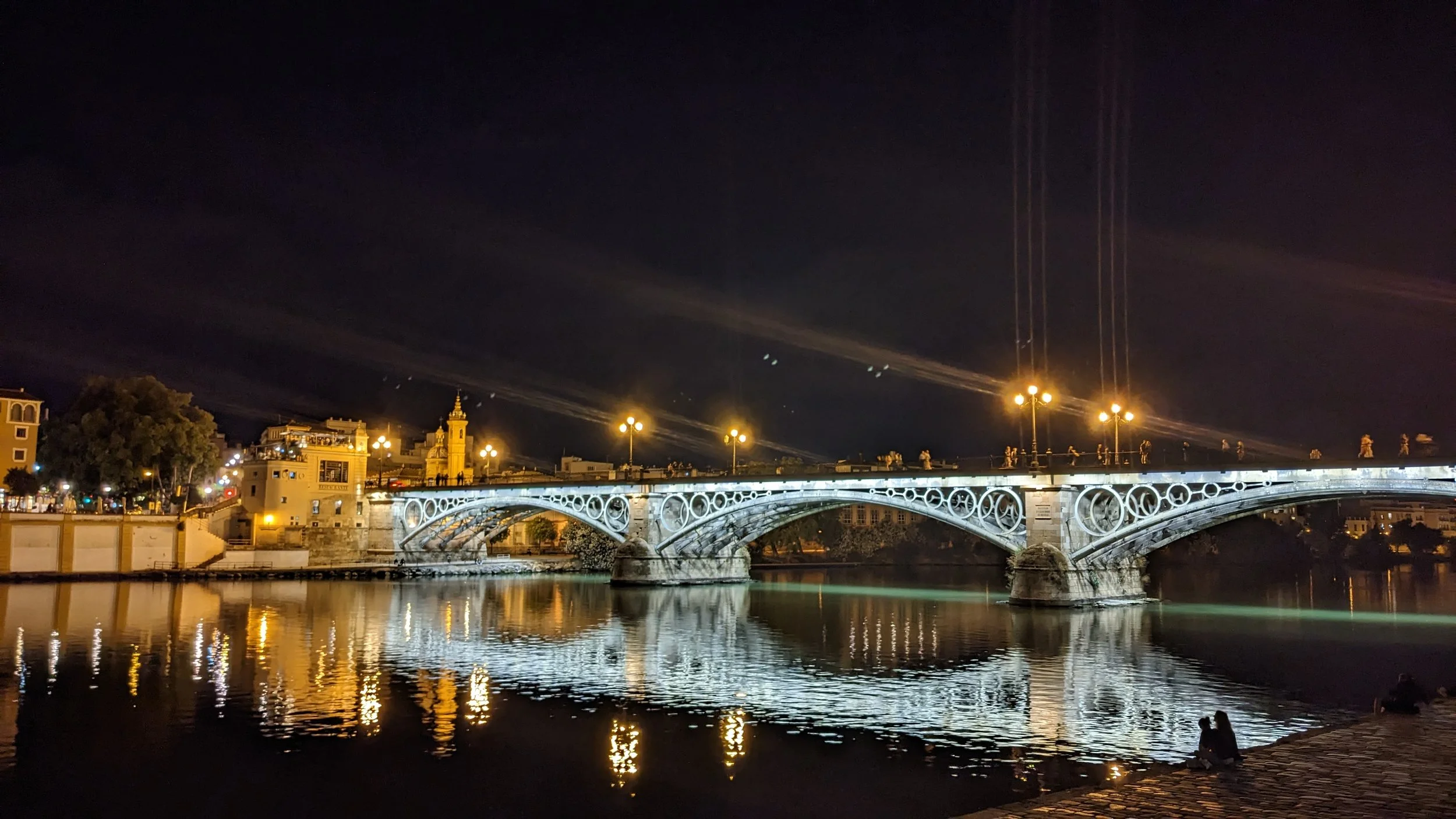
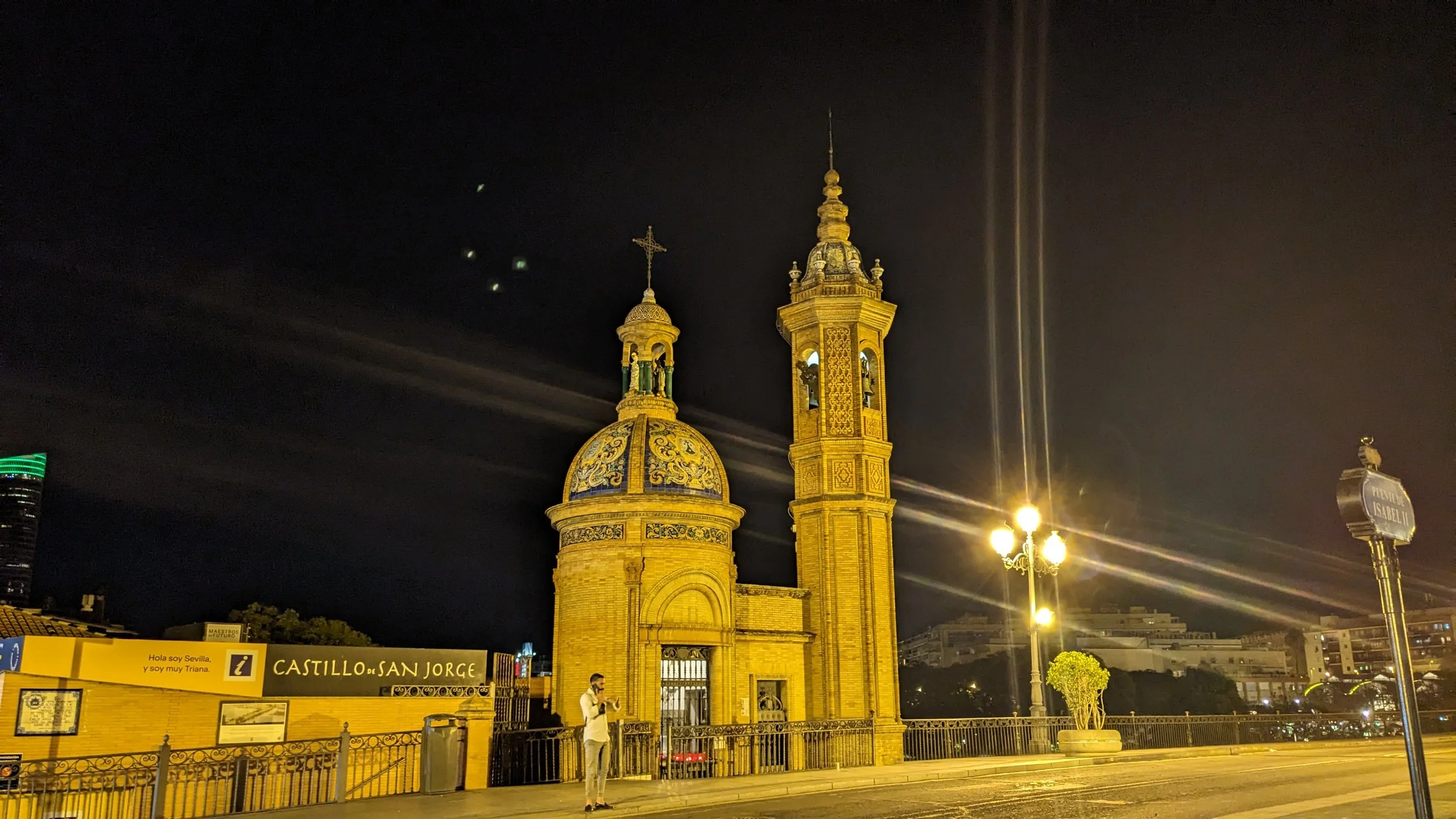
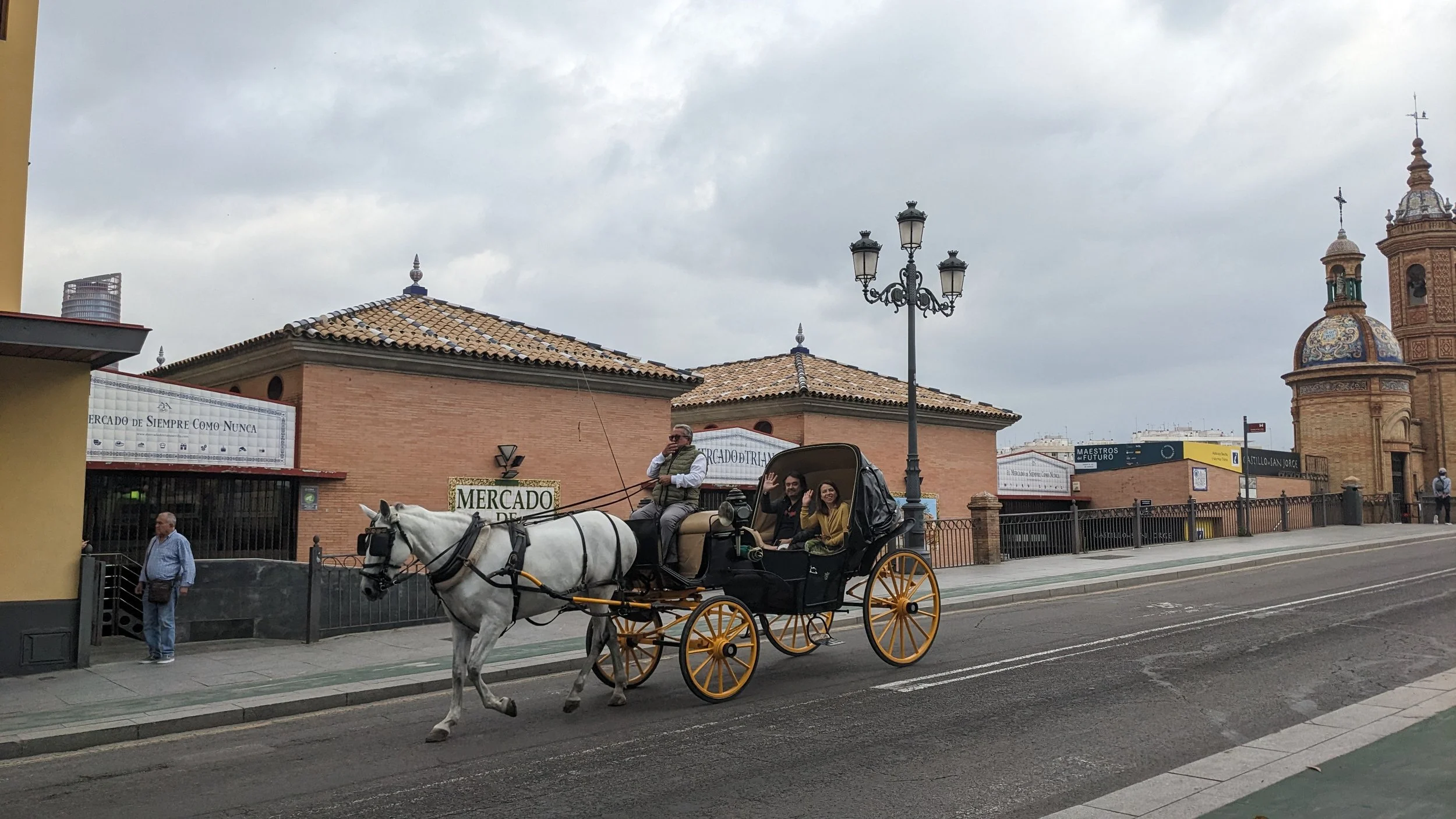
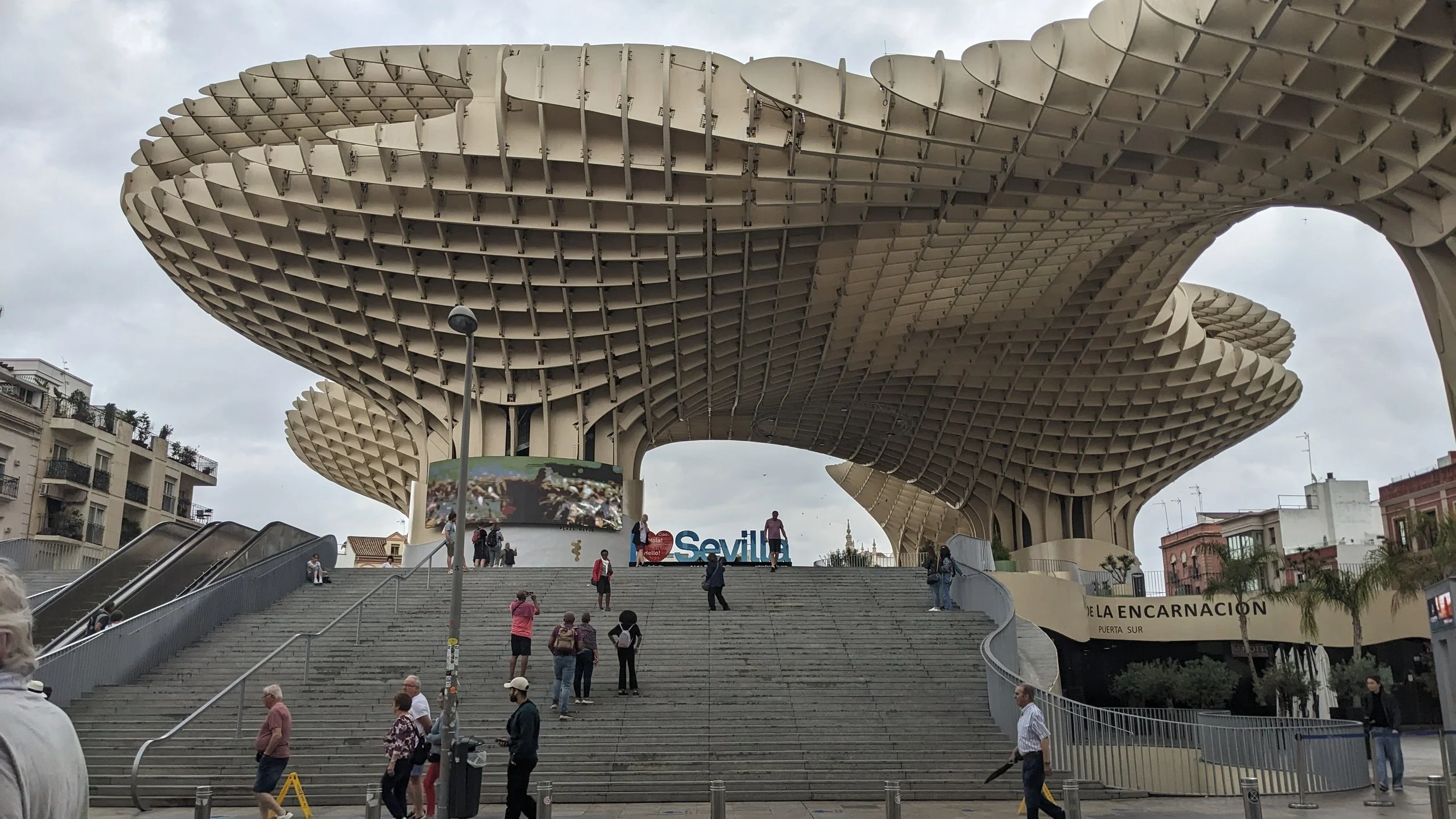
One of Seville’s greatest luxuries is its intimacy. It is a very much a walkable city and one can choose between a meticulously planned itinerary or the simple, sophisticated pleasure of wandering. Around every corner, a hidden courtyard or a sudden view of the Giralda tower reminds you why this city has inspired everyone from Mozart to the showrunners of Game of Thrones. For the seasoned traveller, Seville is not merely a destination; it is a sensory immersion. In May, the city is at its most sublime—the weather is perfectly manageable, the air carries the lingering sweetness of orange blossoms, and the vibrant colours of the city feel as though they’ve been pulled directly from an artist’s palette. I stayed in Tirana just across the Guadalquivir River and easily walked across the bridge to the Seville town centre. Historically the haunt of sailors and potters, Triana maintains a fierce, independent identity and in addition to being where Bizet’s Carmen lived, also has the following tourist hot-stops within a stone’s throw: The Triana Market- a temple to Andalusian produce, built over the ruins of an Inquisition-era castle, Torre del Oro- the 13th century "Tower of Gold" that once guarded the river from intruders; Centro Cerámica Triana- an essential stop for those who appreciate fine craftsmanship. The selection of tiles here is peerless. I found myself captivated by the local artistry and commissioned several custom-made house plates. While shipping delicate ceramics back to the UK was no small feat of logistics, the shop was exceptionally professional, ensuring these pieces of Seville arrived safely at my front door.
Day 1
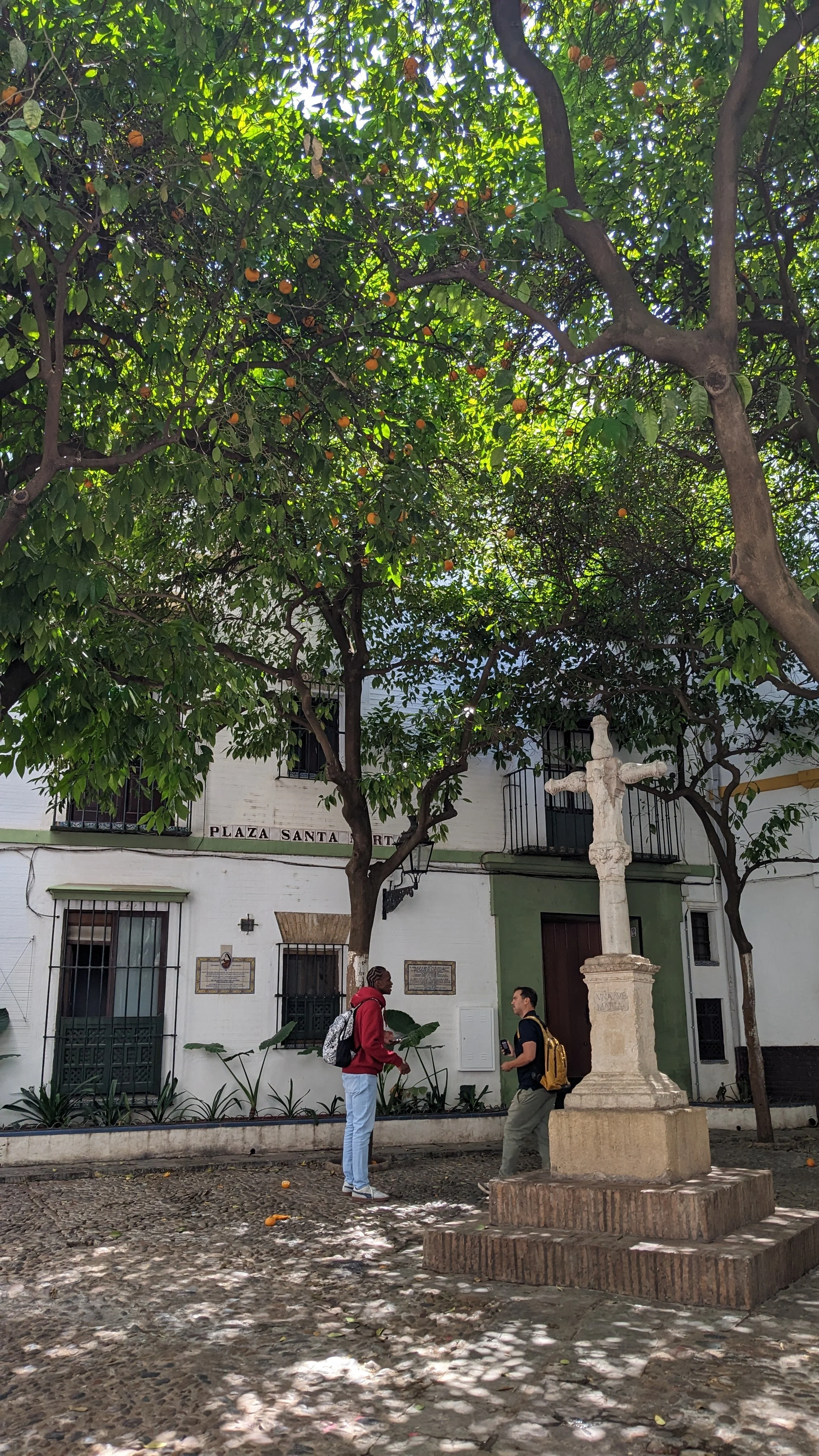
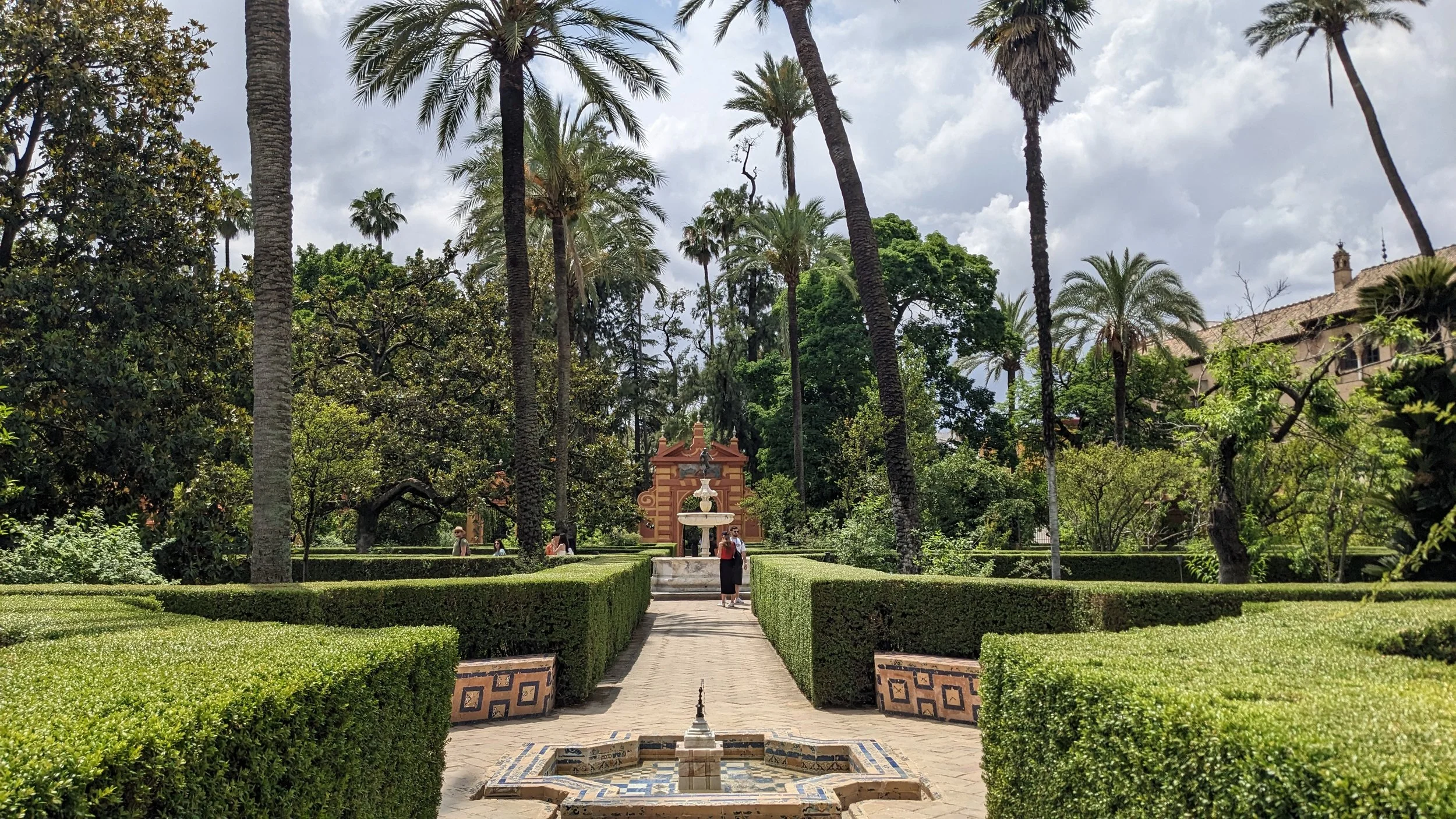
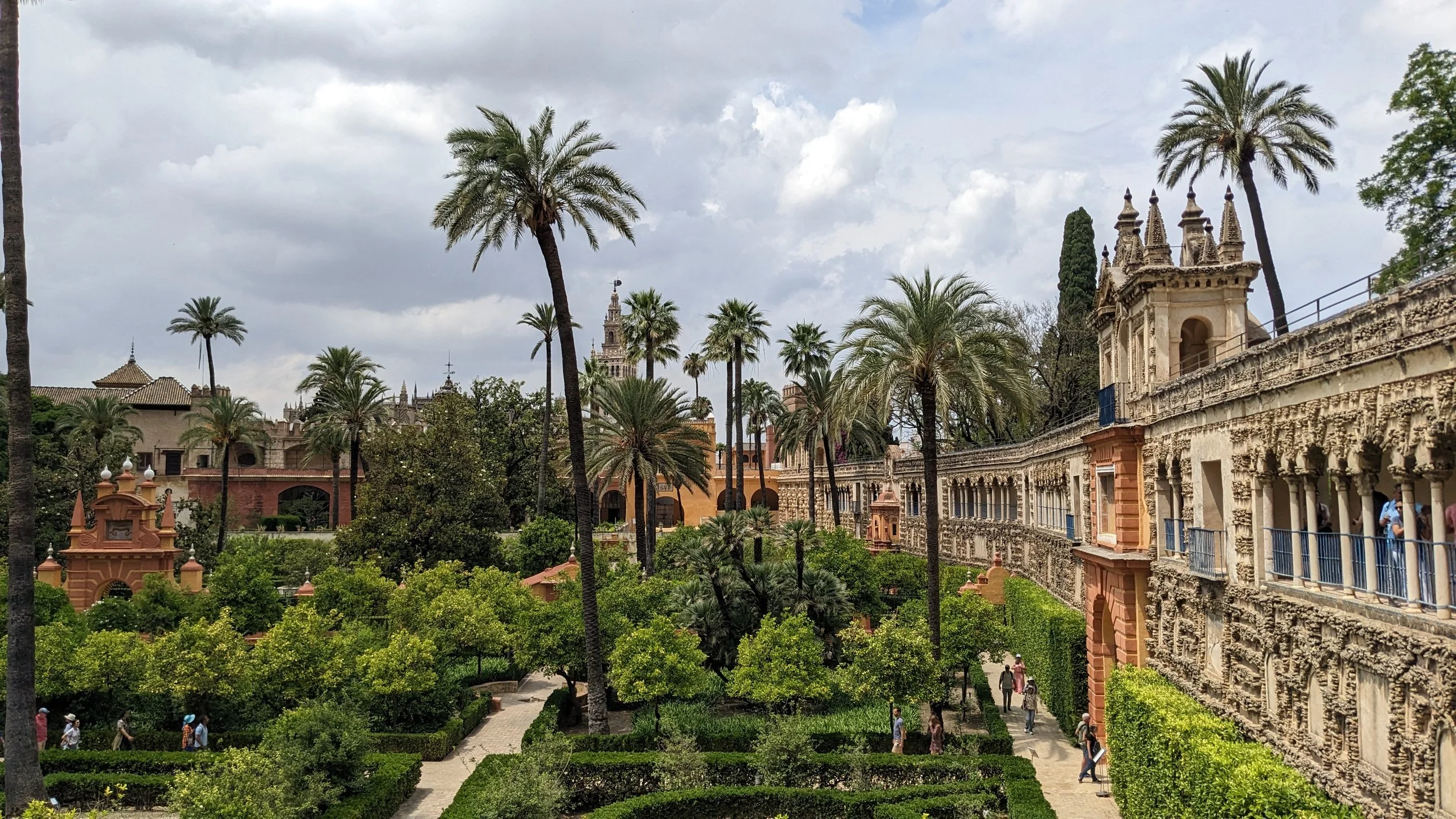
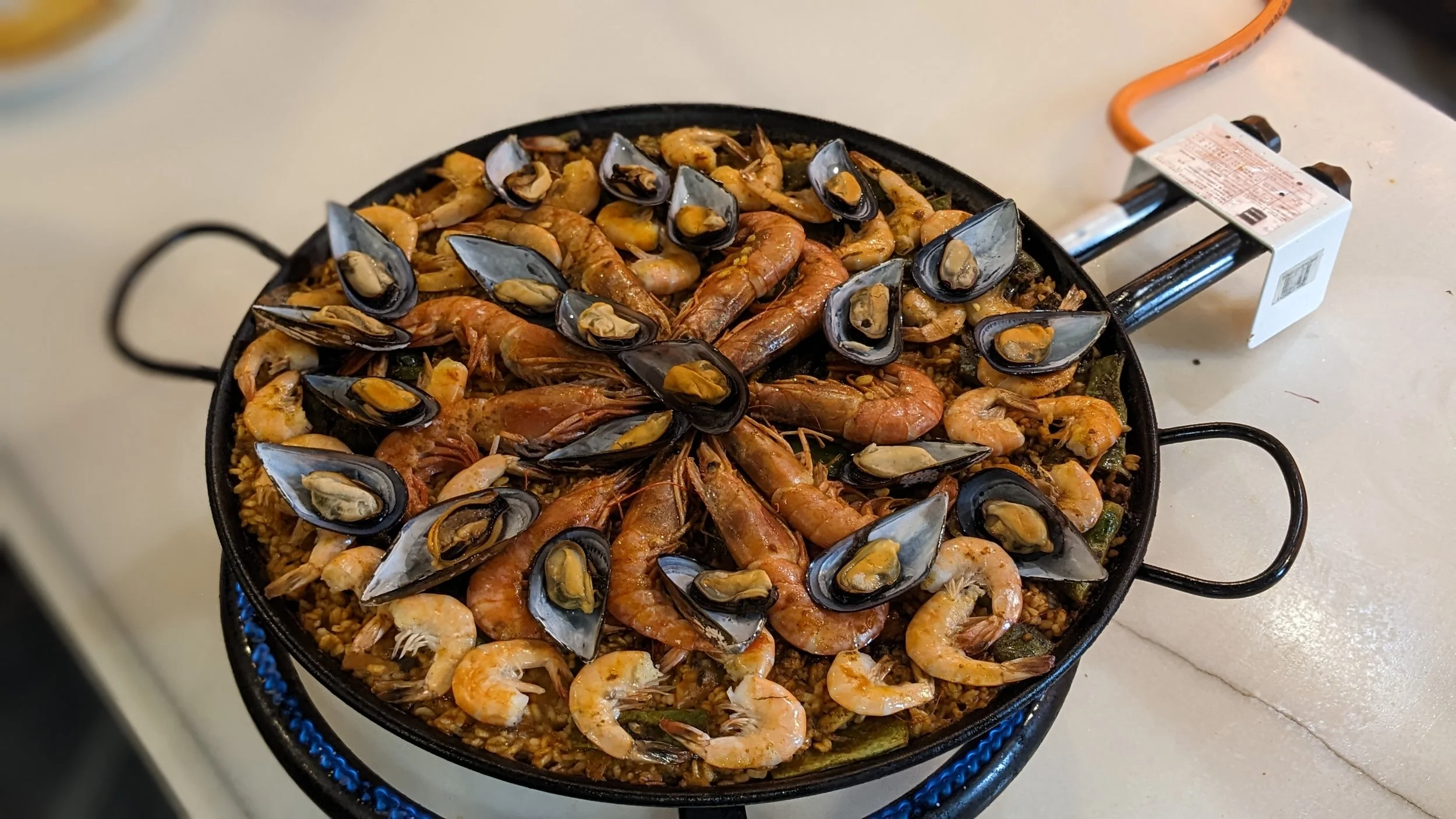
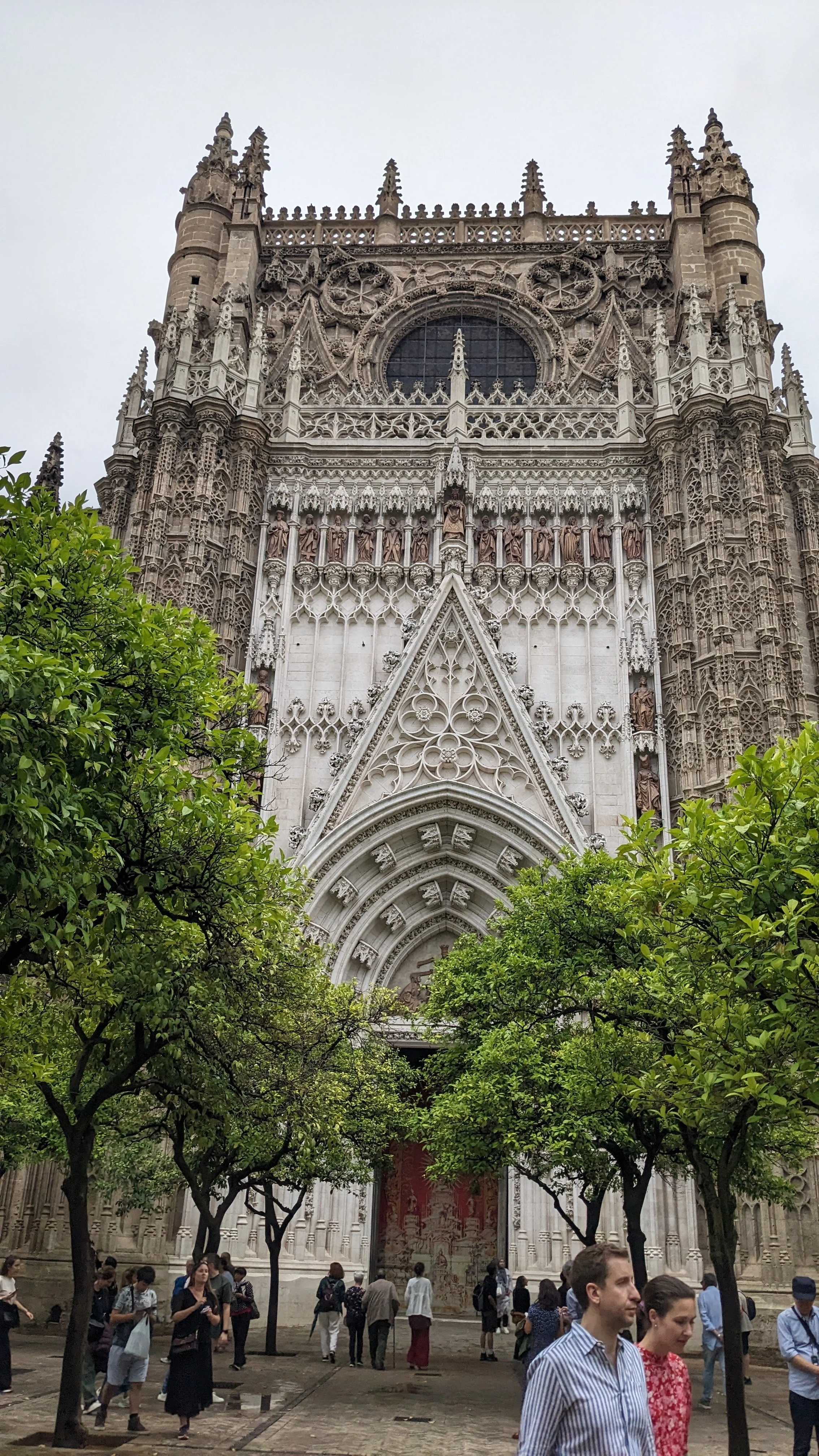
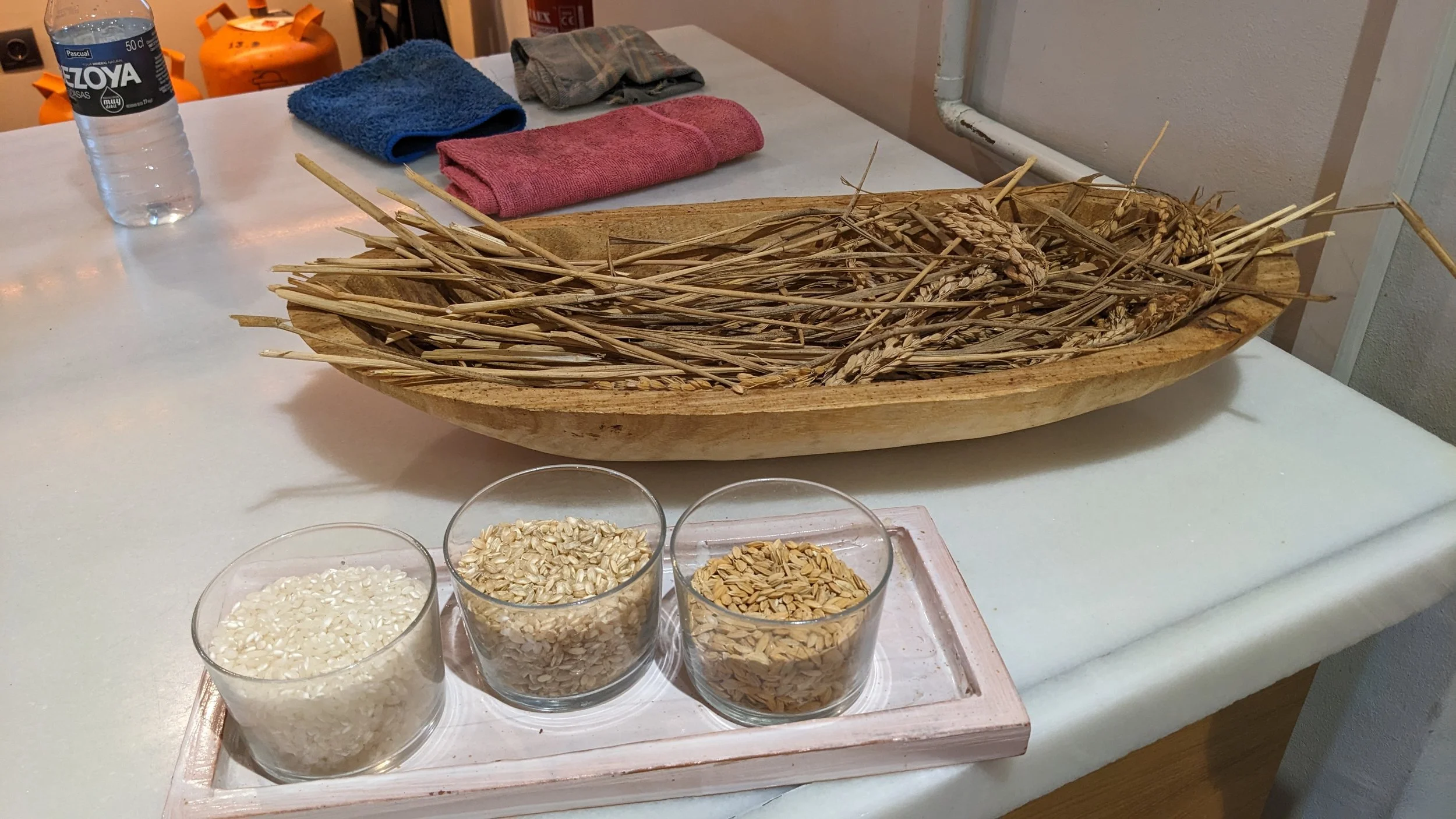
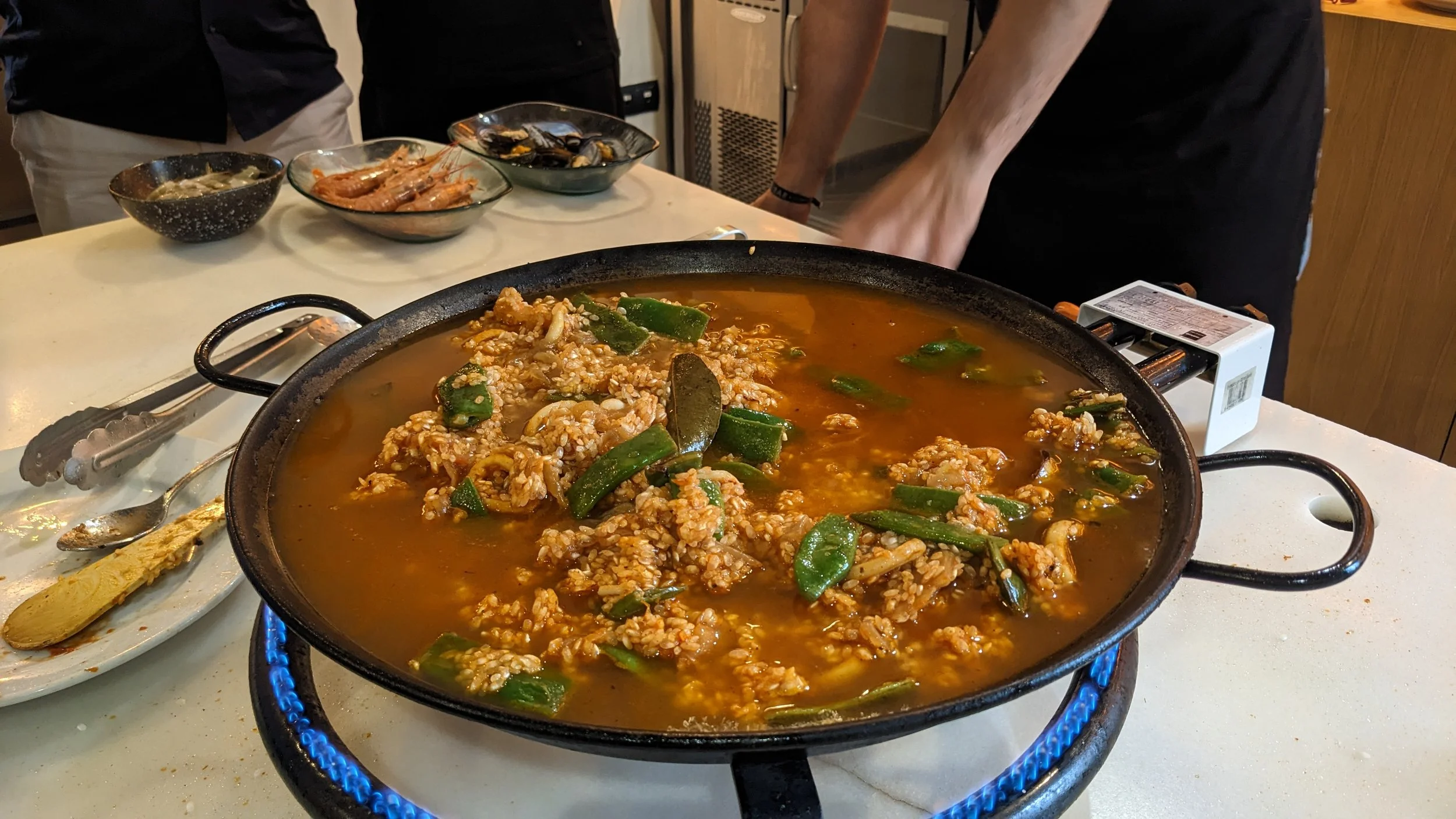
My journey began in the Old Town, a labyrinth of narrow lanes where the spirit of The Barber of Seville feels remarkably present. While wandering through the Santa Cruz quarter, it isn’t hard to imagine Figaro ducking into a doorway or a clandestine serenade beginning under a moonlit balcony. As a GoT fan, the Real Alcázar was a pilgrimage. This UNESCO site served as the Water Gardens of Dorne, and walking through its lush, tiered gardens feels like stepping directly into the screen. Our guide was kind enough to give us time to wander in the gardens after the paired visit to the Catherdral and I definitely felt like a Dornish Princess running through the maze of foliage. The second half of the day was dedicated to a paella show-cooking experience and provided expert insight into the history and culinary precision required to balance the flavours of the world’s most famous saffron-infused rice.
Day 2
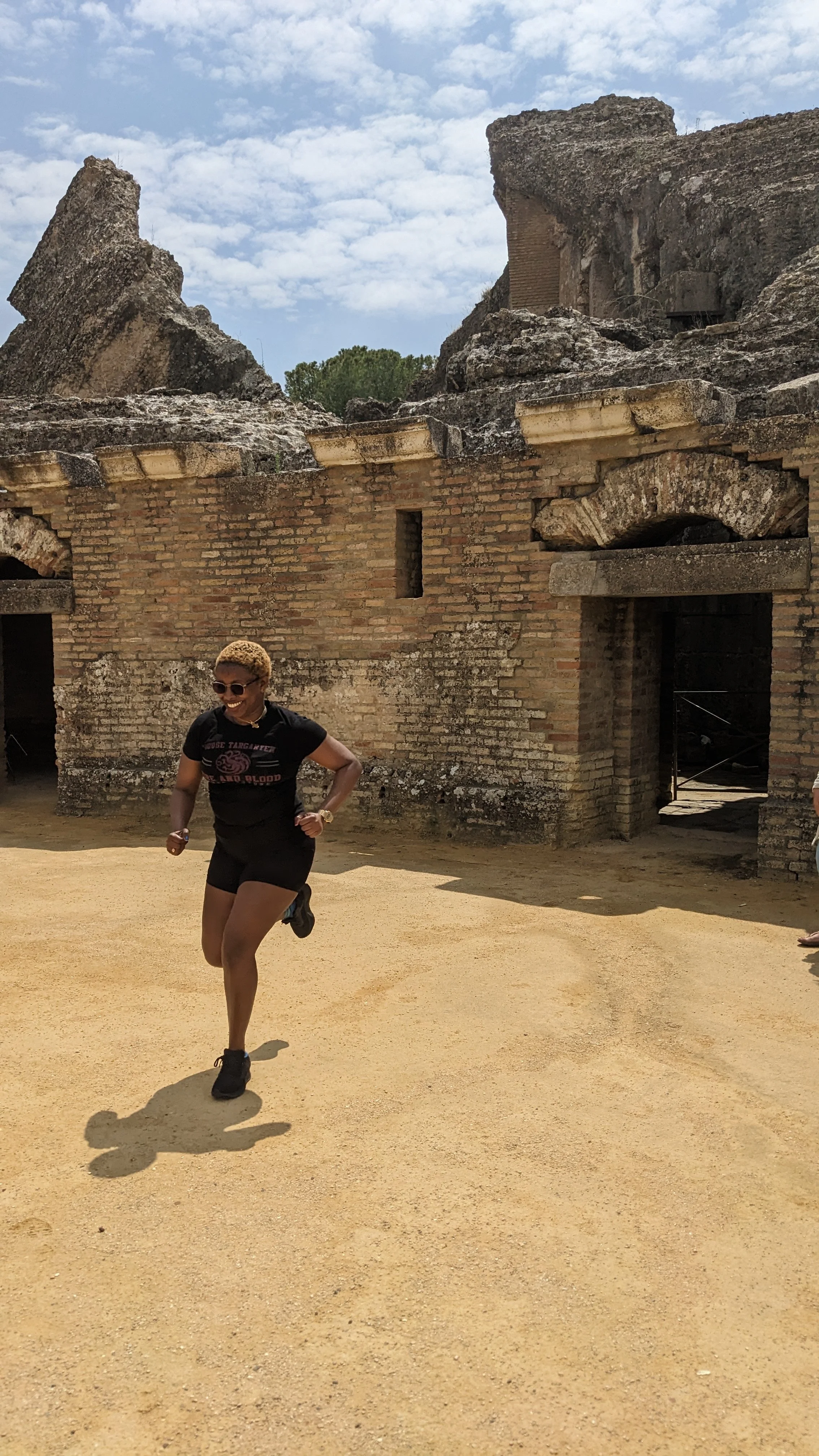
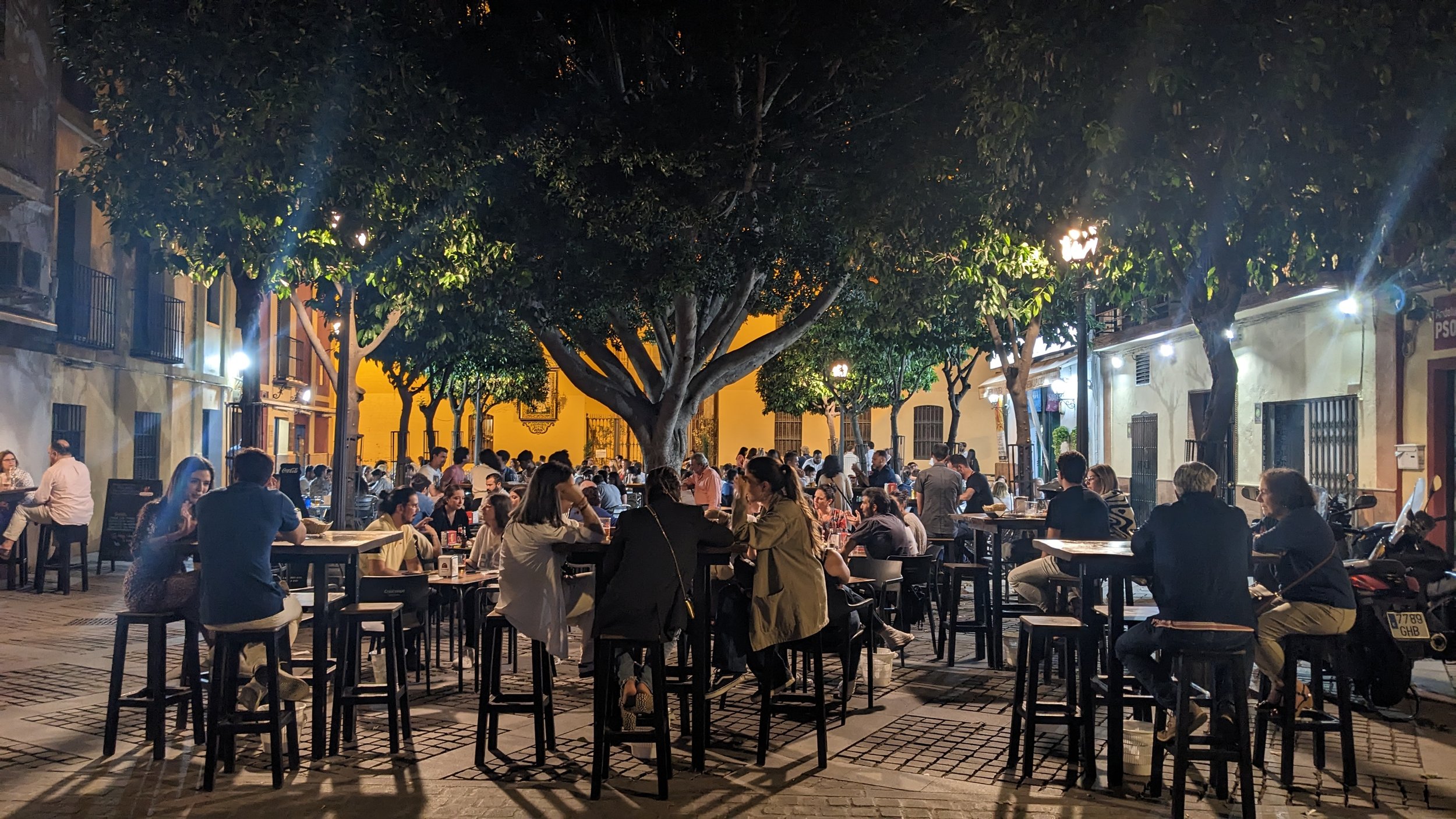
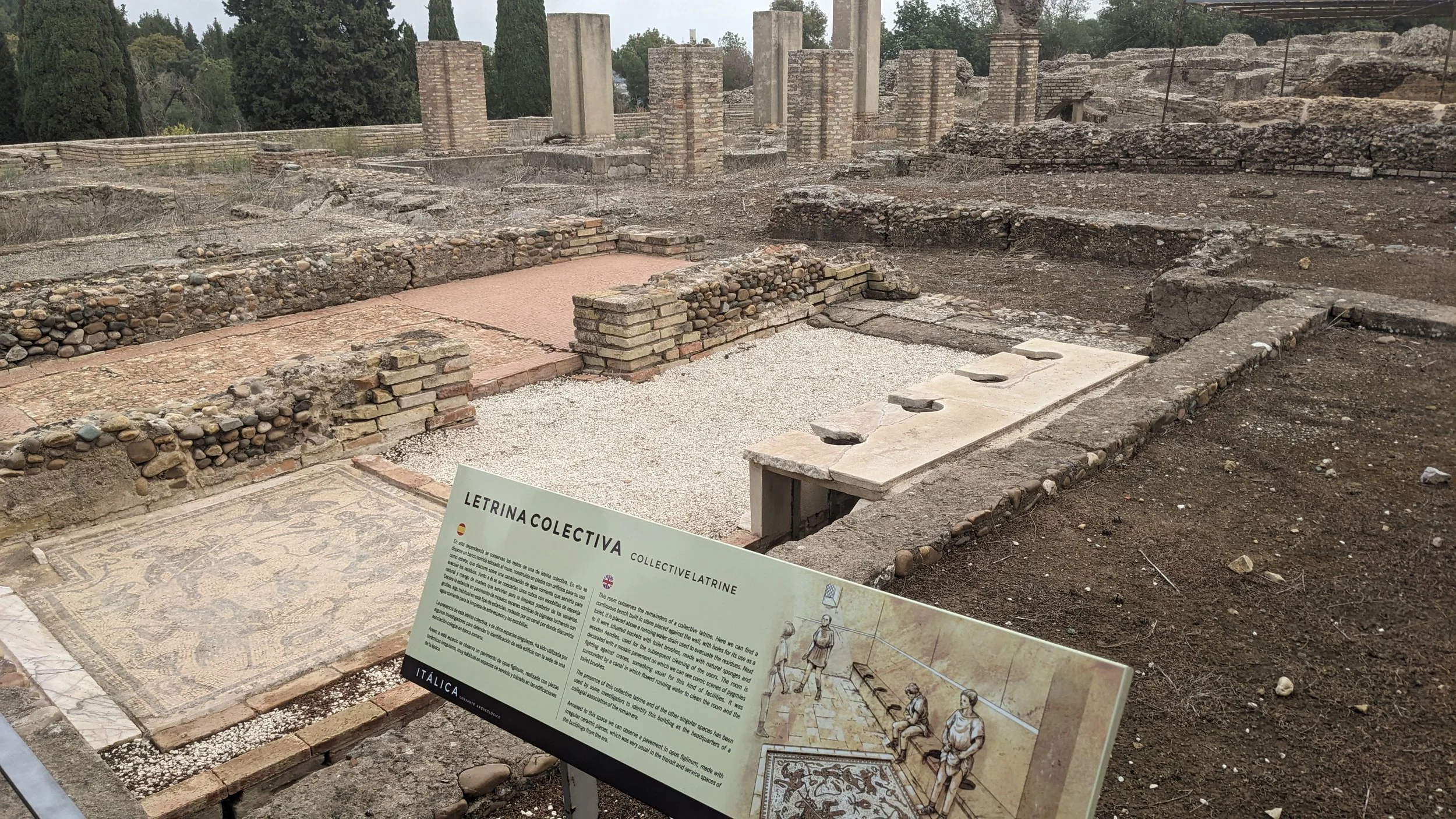
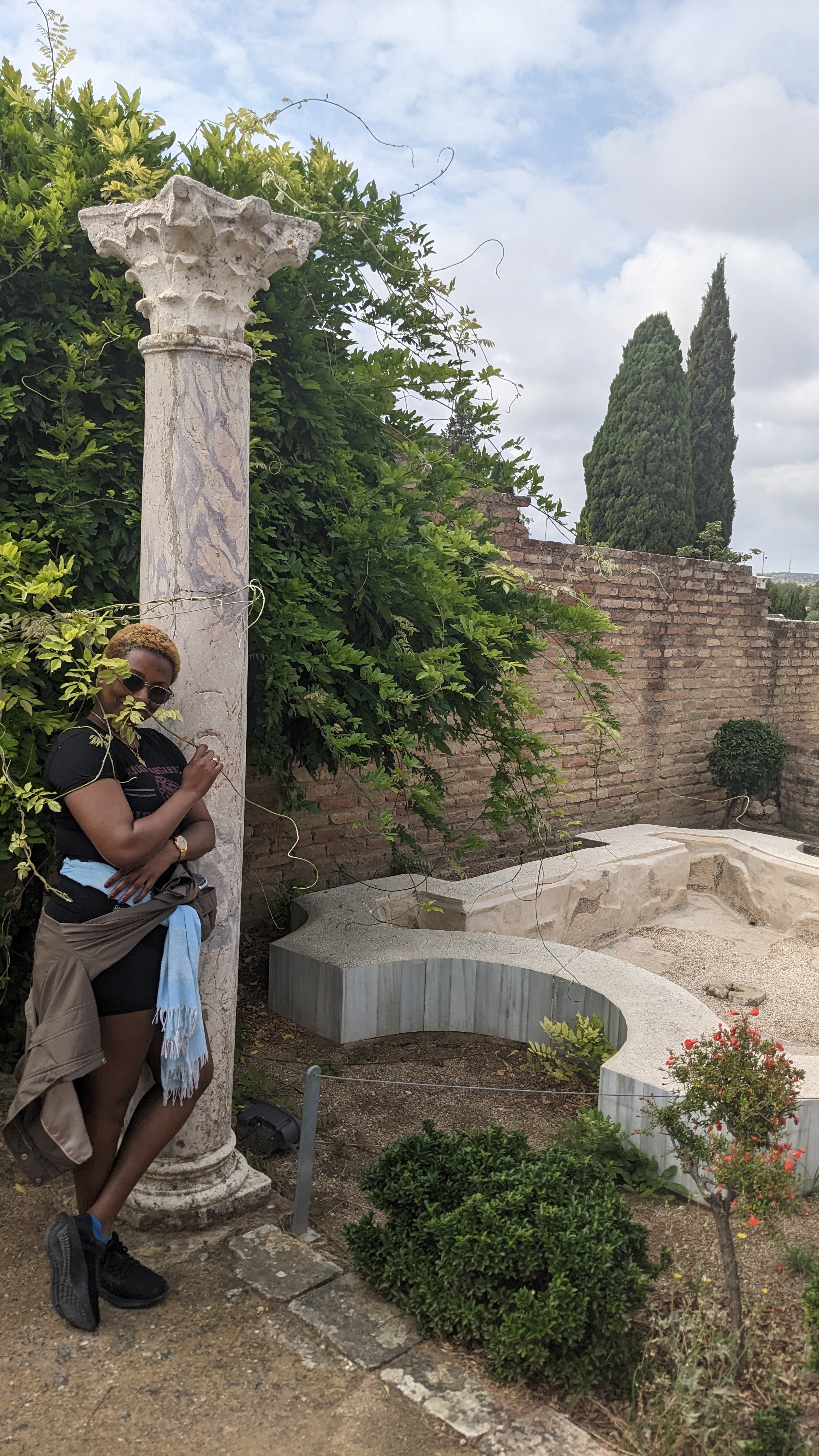
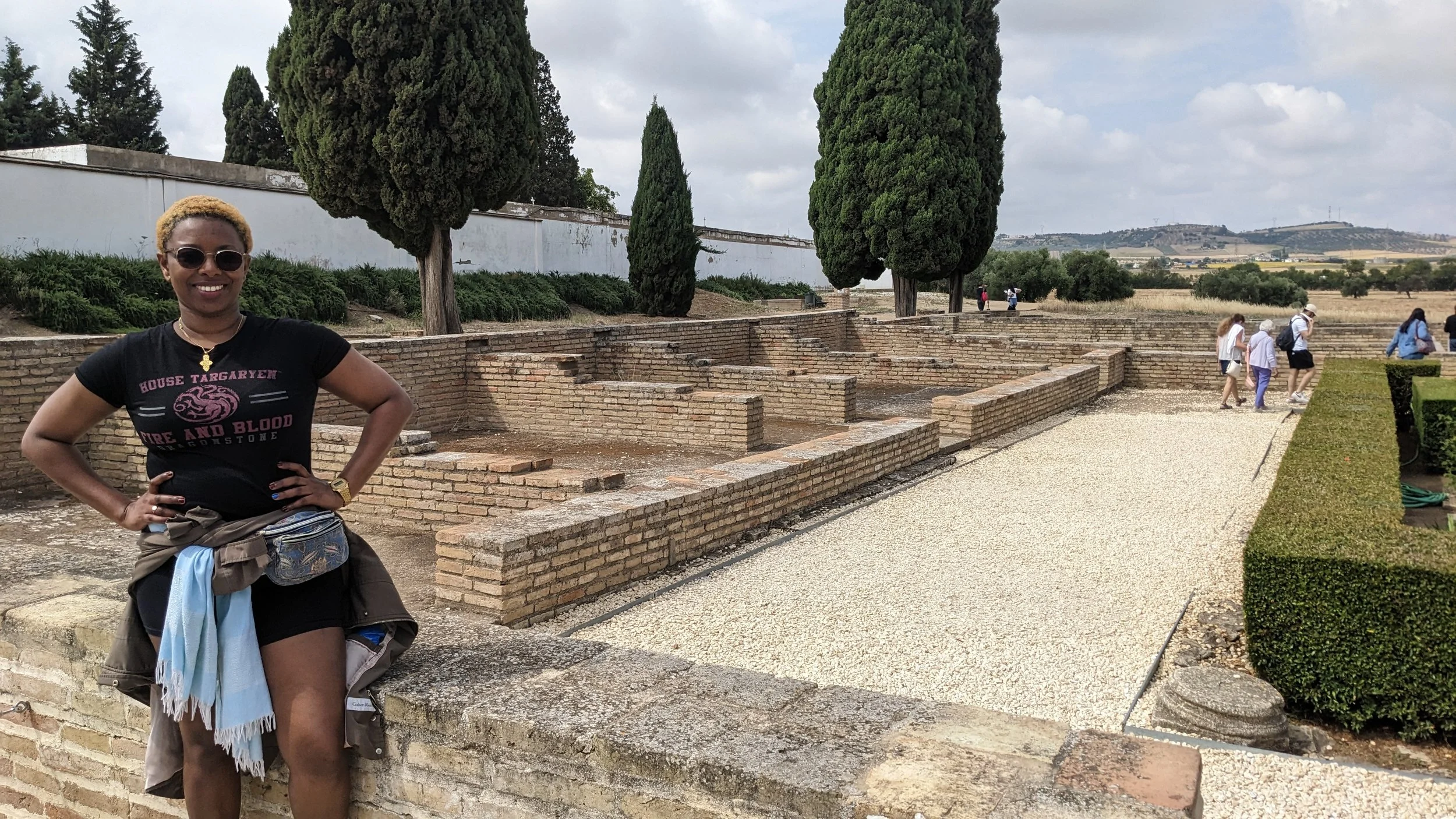
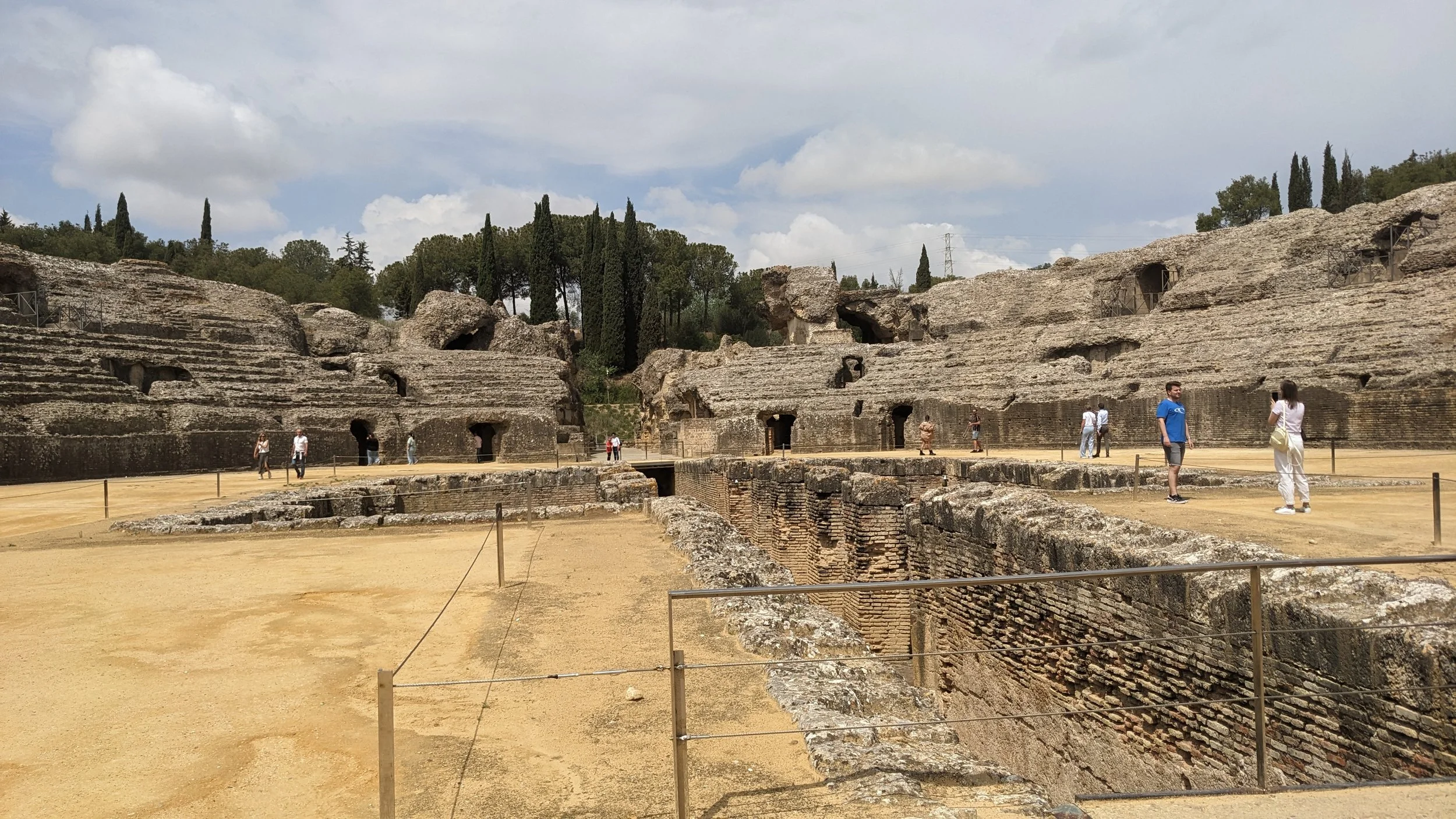
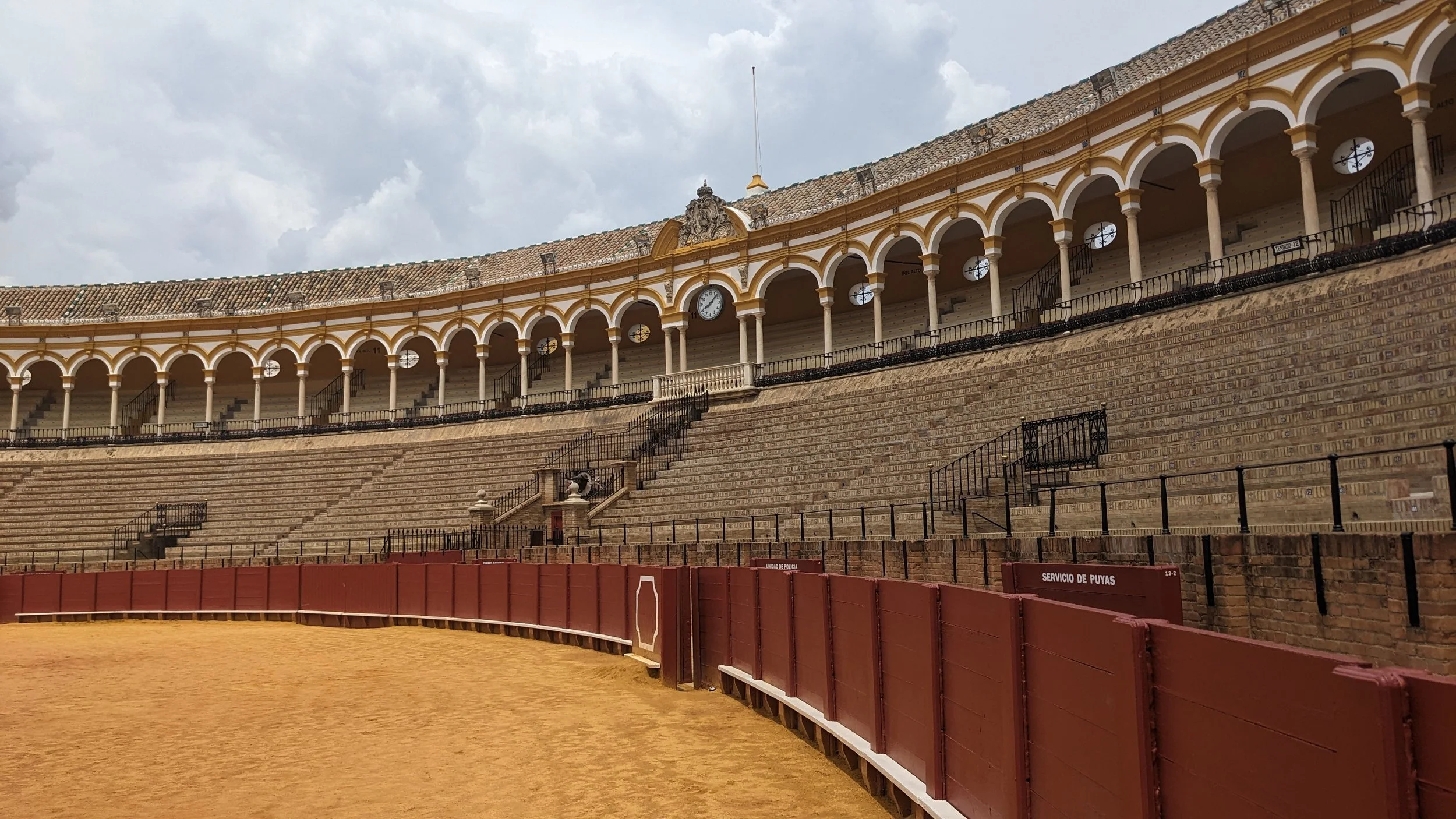
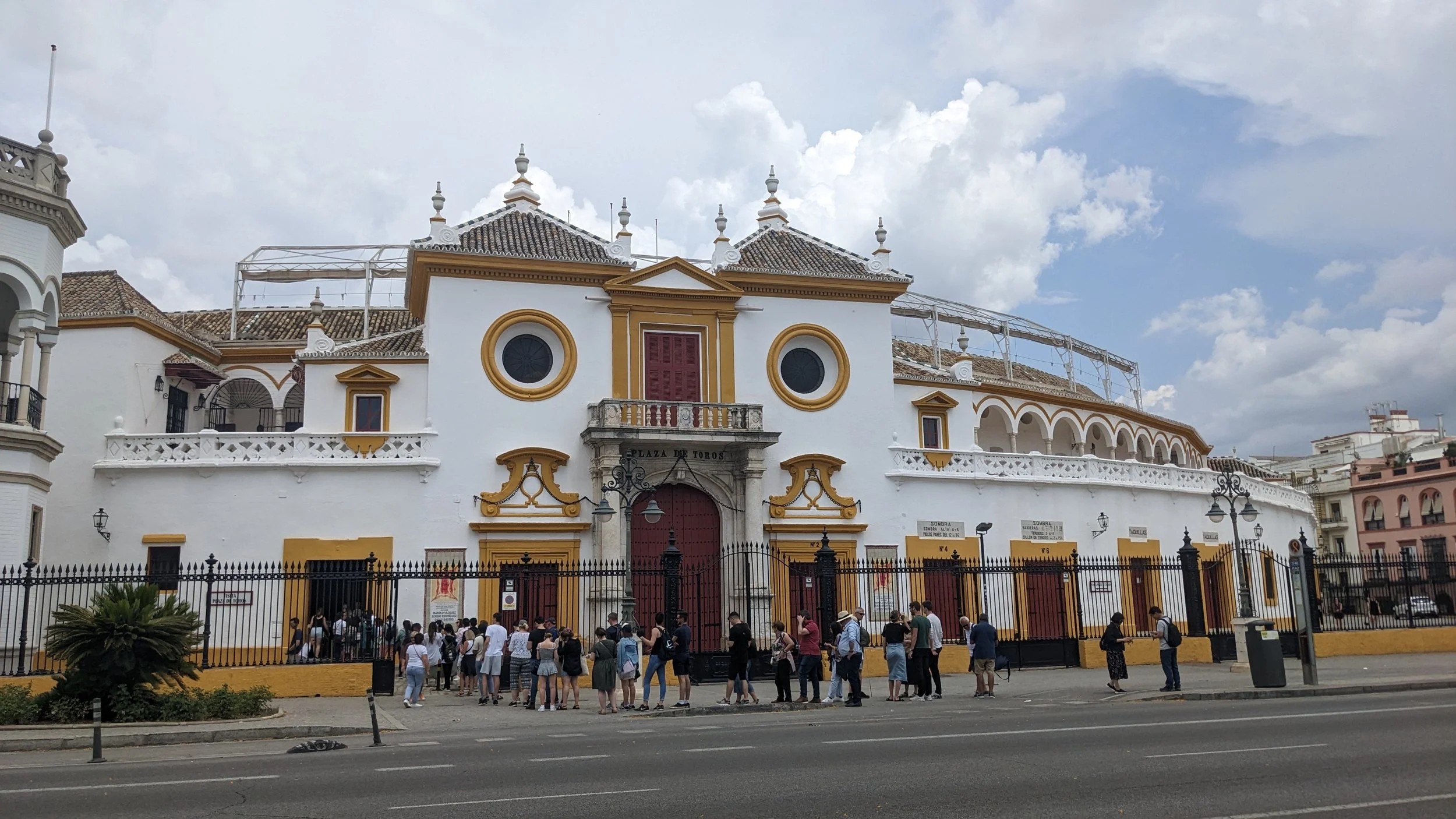
A short drive from the city centre lies Italica, the birthplace of Emperors Trajan and Hadrian. For the uninitiated, it is a marvel of Roman preservation; to me, it is the infamous Dragonpit of King’s Landing. Standing in the centre of the massive amphitheatre, one can feel the weight of both ancient history and modern cinematic legend. After a quick bite, my adrenalin was still running so I made a quick detour to the Plaza de Toros de la Real Maestranza. Even if you’re not a fan of the tradition of bull fighting, the baroque architecture and the immaculate yellow sands of the arena are central to Seville’s aristocratic identity and history. There’s a small but informative museum tracing the history of the the practice, painting and photos of famous toreros and samples of costumes. After a mandatory siesta, I was ready to venture out again and met up with my evening tapas and culture tour. We visited historic bars and famous restaurants, pairing thin slices of jamón ibérico with chilled glasses of Manzanilla, learning that here, a meal is never just about the food—it is about the conversation.
Day 3
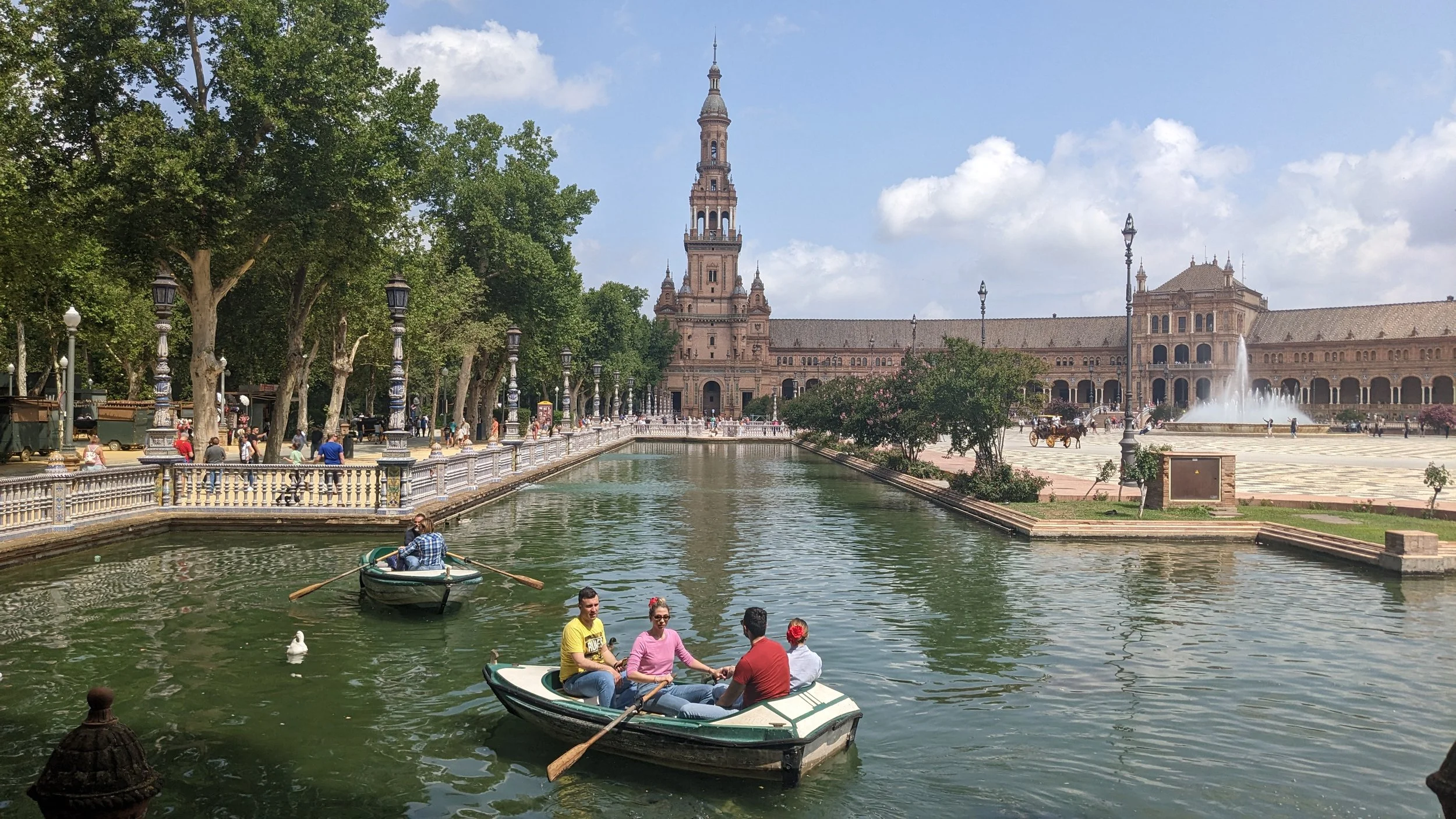
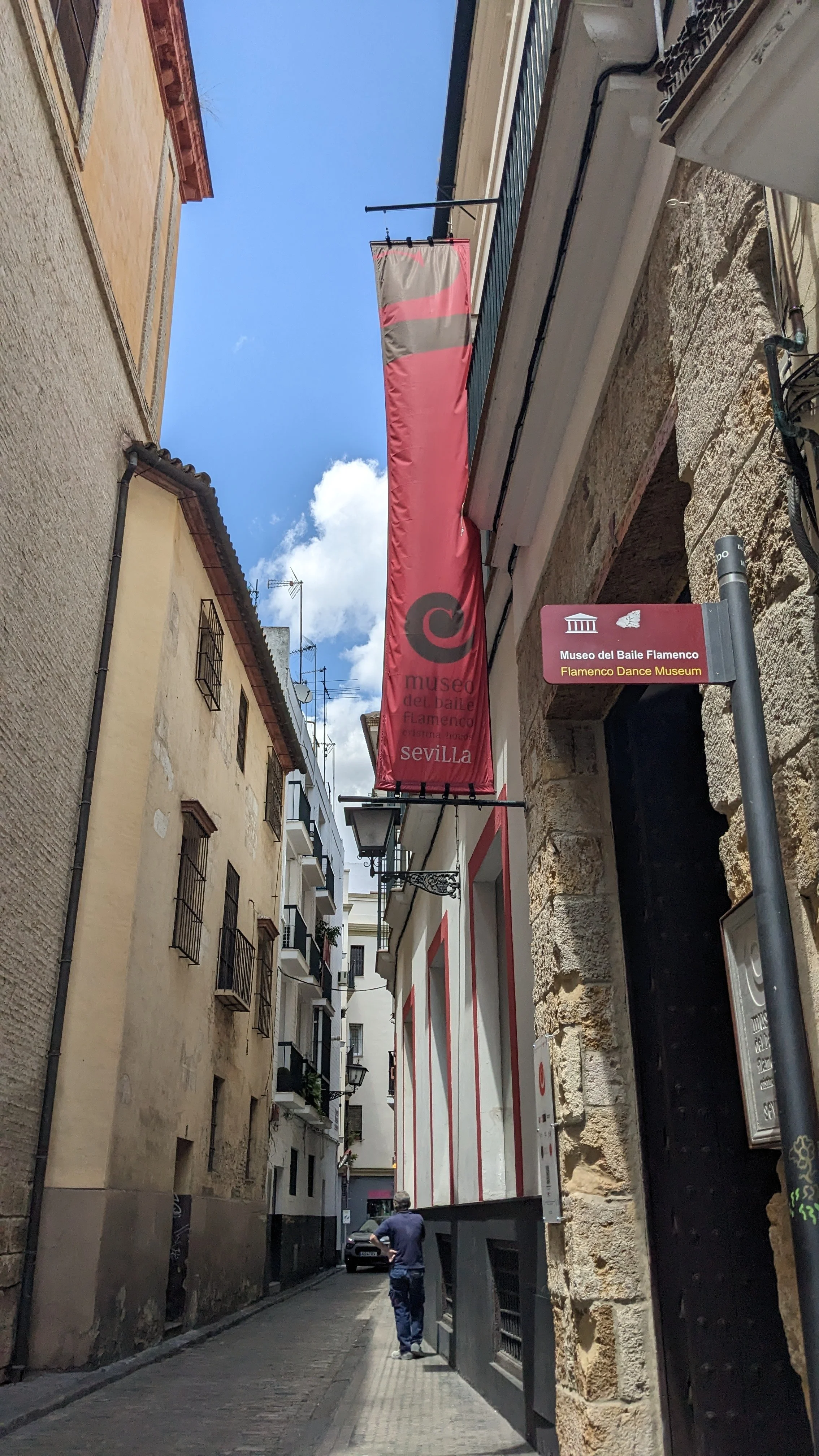
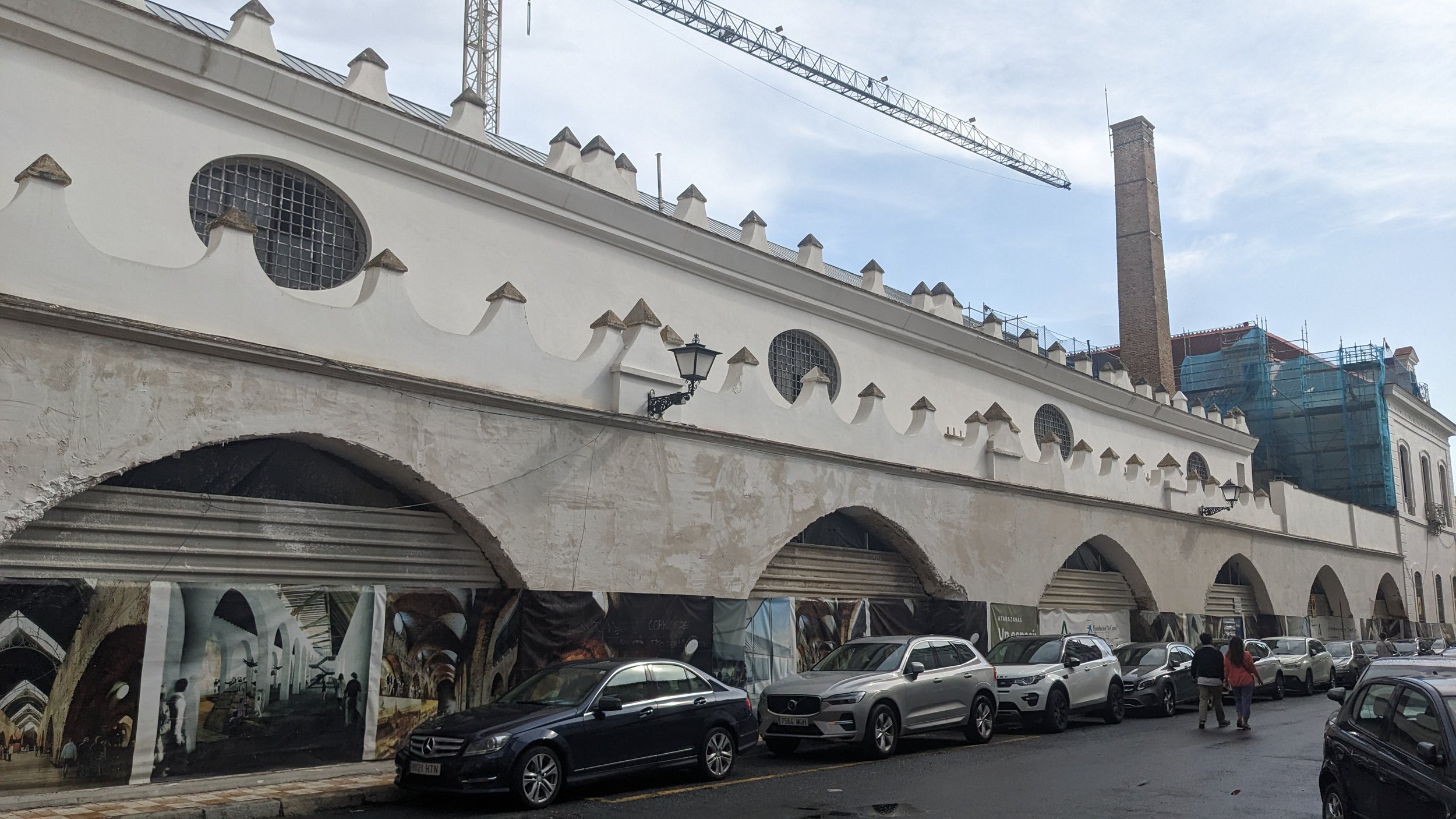
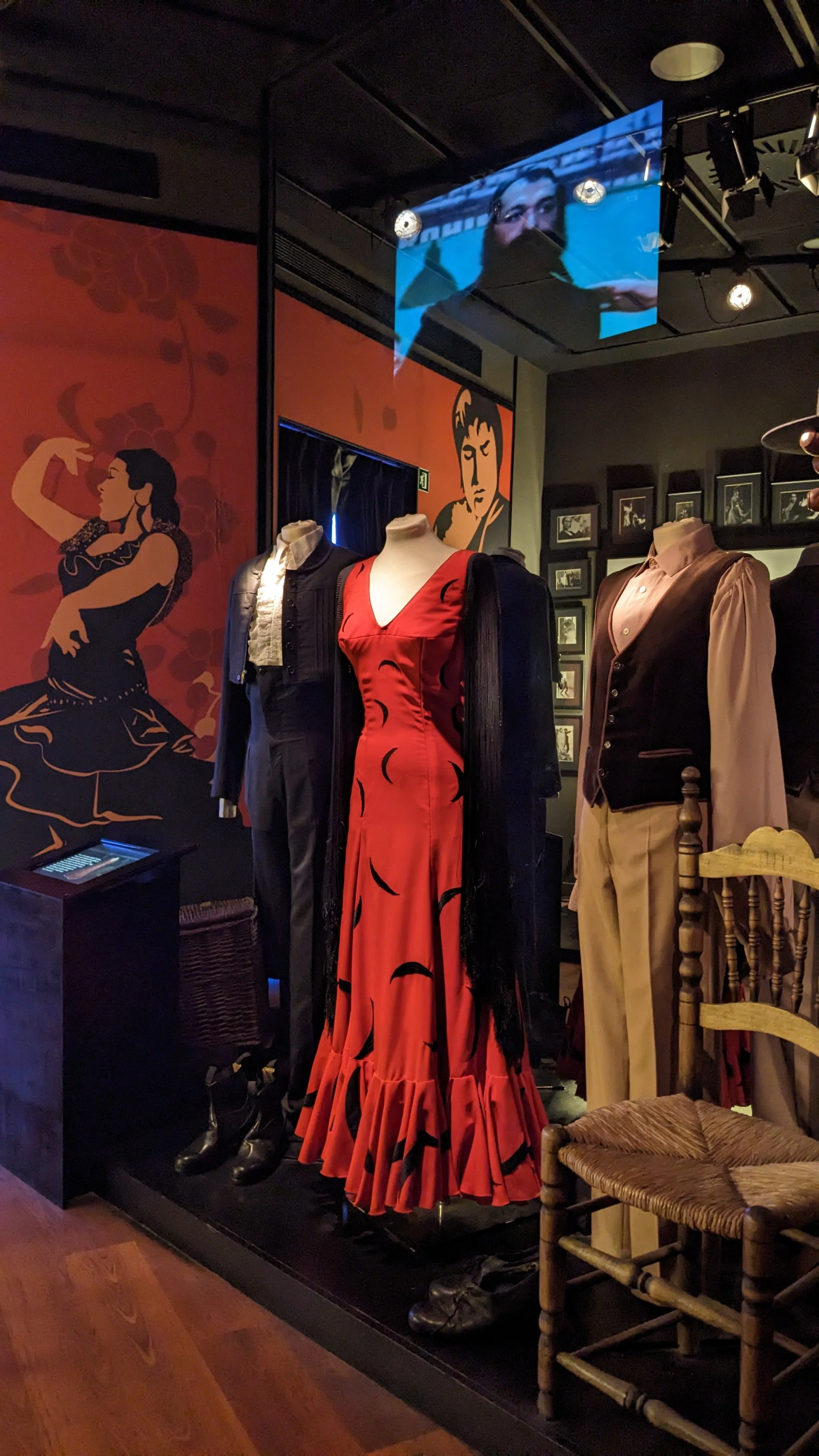
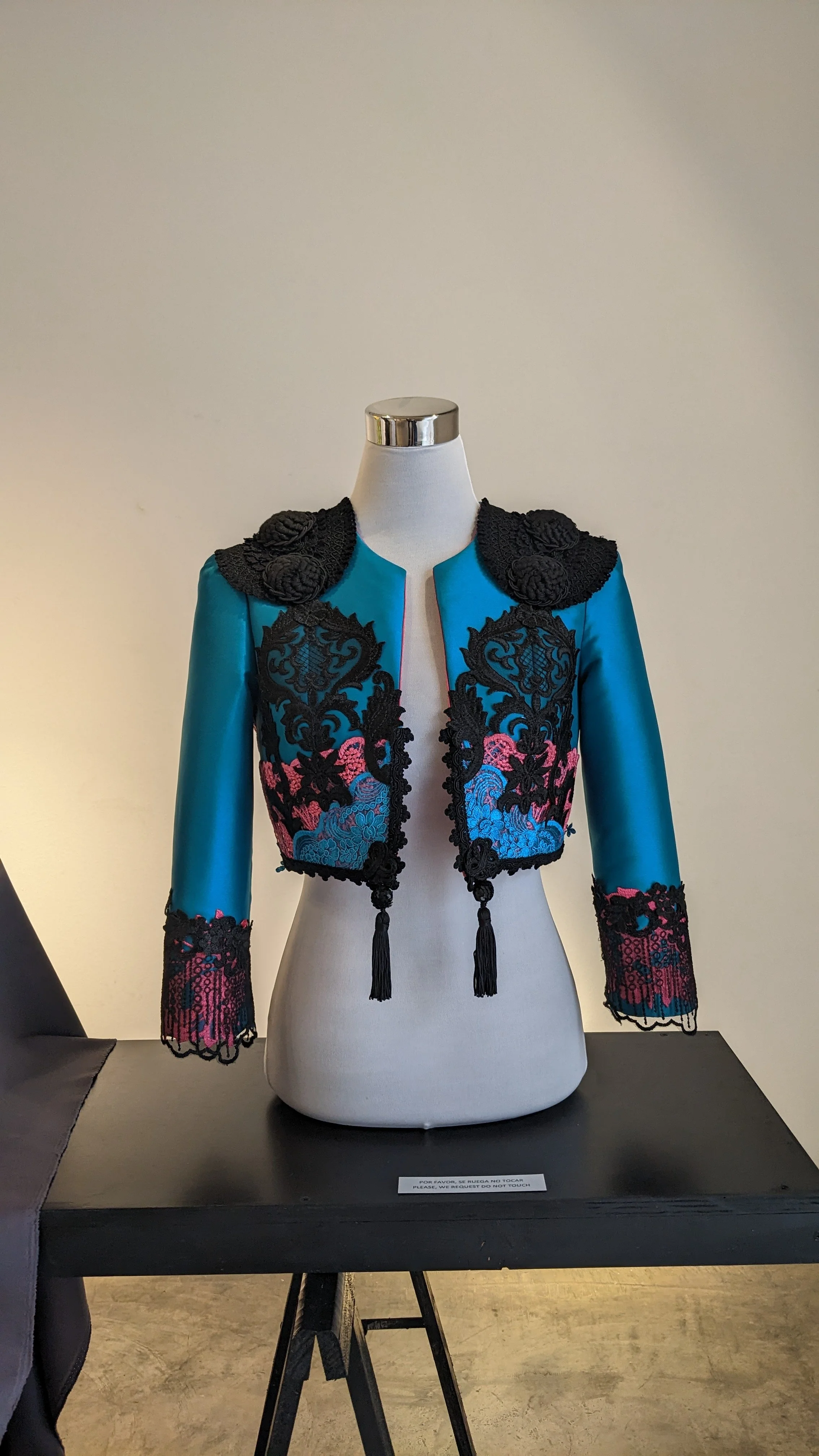
Starting with a gentle stroll through the Plaza de España and Parque de María Luisa, where the ceramic-tiled alcoves represent each province of Spain in breath-taking detail, I of course took the obligatory photo with one of my favourite Spanish dominions. I intentionally sought out the Reales Atarazanas (the Royal Shipyards). It is a "blink and you'll miss it" location, tucked away amidst the bustle of the modern city, yet these medieval vaults served as the atmospheric crypts beneath the Red Keep. Google maps kept telling me they were close but as my trip drew to a close, I had to make sure I found them. My last stop was the Museo del Baile Flamenco. To see flamenco here is to see it stripped of artifice—raw, powerful, and deeply moving. The building houses the tablao, the flamenco museum as well as an exhibition space which show cased beautiful designs which were modern takes on the instantly recognizable boleros. My millennial fingers could barely resist the urge to touch! I would highly encourage you to buy a ticket that includes museum access but also to take advantage of the flamenco classes on offer.
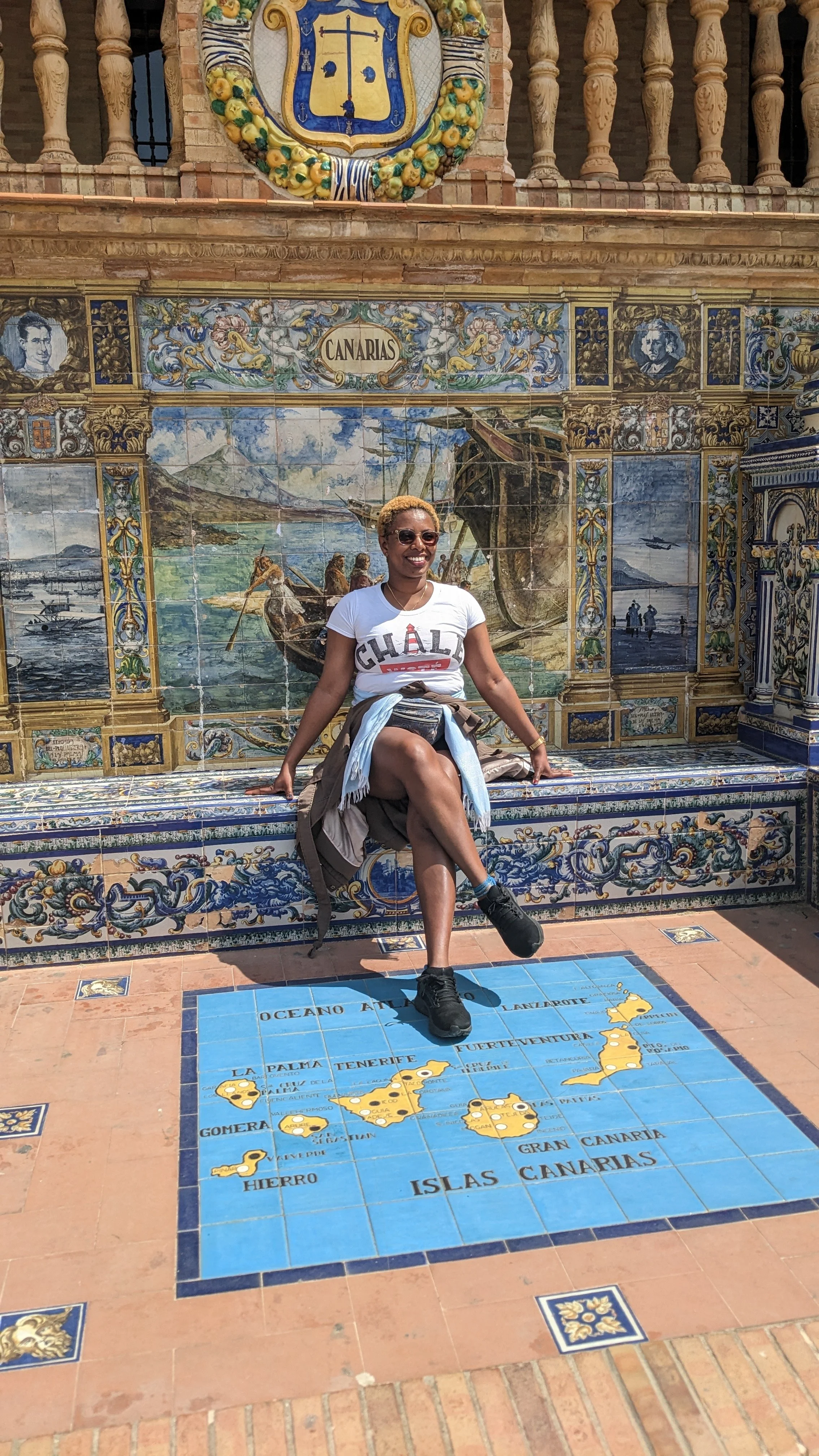
Did you know that Spanish tiles aren’t called "Spanish Tiles" in Spain. Spanish speakers might call them Arabic tiles when translating, but they are correctly called azulejos, their manufacture and utilisation is a craft with roots reaching back to the Moors, and has come to define the Mediterranean aesthetic.
